


Cervicogenic Headache
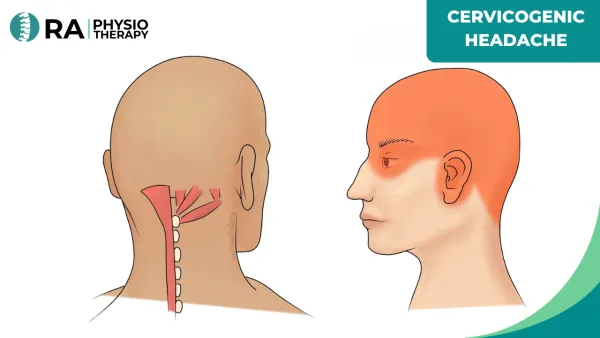
Cervicogenic Headache Treatment & Physiotherapy for Neck-Related HeadachesA cervicogenic headache is a type of headache that originates from problems in the neck, including the cervical spine, joints, muscles, or nerves. The pain usually starts in the neck and radiates to the head, forehead, temples, or behind the eyes. Cervicogenic headaches are commonly associated with poor posture, neck stiffness, muscle tension, cervical spine dysfunction, or previous neck injuries. Physiotherapy helps reduce pain, improve neck mobility, correct posture, and relieve muscle tension.
A cervicogenic headache is a type of headache that originates from problems in the neck, including the cervical spine, joints, muscles, or nerves. The pain usually starts in the neck and radiates to the head, forehead, temples, or behind the eyes. Cervicogenic headaches are commonly associated with poor posture, neck stiffness, muscle tension, cervical spine dysfunction, or previous neck injuries. Physiotherapy helps reduce pain, improve neck mobility, correct posture, and relieve muscle tension.
Common symptoms include:
- Headache starting from the neck
- Pain on one side of the head
- Neck pain and stiffness
- Pain radiating to the forehead or behind the eyes
- Reduced neck movement
- Shoulder and upper back tightness
- Headache aggravated by neck movements
- Pain during prolonged sitting or poor posture
- Dizziness in some cases
Cervicogenic headaches may occur due to:
- Poor posture
- Neck muscle tension
- Cervical spine joint dysfunction
- Prolonged desk work
- Whiplash or neck injuries
- Cervical disc problems
- Muscle imbalance
- Stress and tension
- Degenerative changes in the neck
Diagnosis includes physical examination and assessment of neck mobility, posture, and muscle function. Tests may include:
- Cervical spine examination
- Postural assessment
- Range of motion testing
- Muscle strength evaluation
- Palpation of neck muscles and joints
- MRI scan
- X-rays
Physiotherapy helps relieve neck tension, improve posture, reduce headache frequency, and restore normal neck movement.
- Heat therapy for muscle relaxation
- TENS therapy for pain management
- Ultrasound therapy
- Soft tissue release techniques
- Trigger point therapy
Manual therapy techniques help improve cervical joint mobility, reduce stiffness, and relieve muscle tightness.
Customized rehabilitation exercises help improve posture, neck strength, and flexibility.
- Deep neck flexor strengthening exercises
- Postural strengthening exercises
- Shoulder stabilization exercises
- Upper back strengthening exercises
- Neck stretching exercises
- Upper trapezius stretches
- Shoulder mobility exercises
- Cervical range of motion exercises
- Chest stretches
Patients are guided on proper sitting posture, workstation ergonomics, and body mechanics to reduce neck strain.
Breathing exercises, stress management techniques, and ergonomic guidance help reduce muscle tension and prevent recurrence.
- Experienced spine and orthopedic physiotherapists
- Personalized rehabilitation programs
- One-on-one physiotherapy sessions
- Advanced manual therapy techniques
- Focus on long-term pain relief and posture correction
- Evidence-based physiotherapy care
- Guidance for home exercises and prevention
If you are experiencing neck pain, stiffness, or headaches related to cervical spine problems, our physiotherapy team can help you recover safely and effectively. Book your physiotherapy consultation today for expert cervicogenic headache treatment and personalized physiotherapy care.
 Emergency No. : +91 93104 16308