


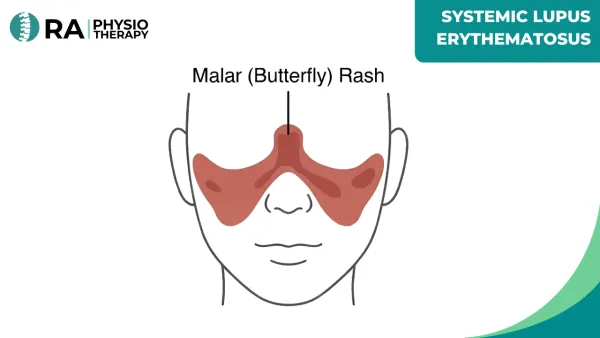
Systemic Lupus Erythematosus (sle)
Systemic Lupus Erythematosus (SLE) Treatment & Physiotherapy RehabilitationSystemic Lupus Erythematosus (SLE), commonly known as lupus, is a chronic autoimmune disease in which the body’s immune system mistakenly attacks healthy tissues and organs. SLE can affect the joints, muscles, skin, kidneys, lungs, nervous system, and other parts of the body. The condition commonly causes joint pain, muscle weakness, fatigue, inflammation, stiffness, and reduced physical function. Physiotherapy rehabilitation helps improve mobility, reduce pain and stiffness, maintain muscle strength, and improve overall quality of life.
Systemic Lupus Erythematosus (SLE), commonly known as lupus, is a chronic autoimmune disease in which the body’s immune system mistakenly attacks healthy tissues and organs. SLE can affect the joints, muscles, skin, kidneys, lungs, nervous system, and other parts of the body. The condition commonly causes joint pain, muscle weakness, fatigue, inflammation, stiffness, and reduced physical function. Physiotherapy rehabilitation helps improve mobility, reduce pain and stiffness, maintain muscle strength, and improve overall quality of life.
Common symptoms include:
- Joint pain and swelling
- Muscle weakness
- Fatigue and reduced endurance
- Morning stiffness
- Muscle aches
- Difficulty performing daily activities
- Reduced joint mobility
- Balance and coordination difficulties
- Sensitivity to sunlight
- General body pain
SLE may occur due to:
- Autoimmune system dysfunction
- Genetic factors
- Hormonal influences
- Environmental triggers
- Infections
- Stress-related immune changes
- Certain medications
Diagnosis includes medical examination and laboratory tests to assess inflammation and autoimmune activity. Tests may include:
- Blood tests
- Antinuclear antibody (ANA) testing
- Physical examination
- Joint mobility assessment
- Muscle strength evaluation
- Imaging studies in selected cases
Physiotherapy rehabilitation helps reduce pain, improve mobility, maintain muscle function, and improve daily physical performance.
- Heat therapy for muscle relaxation
- TENS therapy for pain management
- Gentle soft tissue techniques
- Relaxation exercises
Gentle manual therapy techniques help improve joint mobility, reduce stiffness, and maintain flexibility.
Customized low-impact exercise programs help improve endurance, flexibility, and muscle strength while minimizing fatigue.
- Gentle strengthening exercises
- Core stabilization exercises
- Joint stabilization exercises
- Functional strengthening exercises
- Range of motion exercises
- Muscle stretching exercises
- Flexibility training
- Joint mobility exercises
Balance & Functional Training Balance and functional activity training help improve coordination, posture, and independence during daily activities. Fatigue Management & Energy Conservation Patients are guided on pacing activities, energy conservation strategies, and proper body mechanics to reduce fatigue and joint strain.
Education is provided on posture correction, joint protection techniques, safe exercise routines, and healthy lifestyle habits.
- Experienced physiotherapists for autoimmune and musculoskeletal
rehabilitation
- Personalized rehabilitation programs
- One-on-one physiotherapy sessions
- Gentle and evidence-based treatment approaches
- Focus on pain relief, mobility, and functional independence
- Guidance for home exercises and long-term self-management
- Supportive and patient-centered care
If you are experiencing joint pain, stiffness, fatigue, or mobility difficulties due to Systemic Lupus Erythematosus (SLE), our physiotherapy team can help improve your comfort, mobility, and quality of life. Book your physiotherapy consultation today for expert SLE rehabilitation and personalized physiotherapy care.
 Emergency No. : +91 93104 16308