


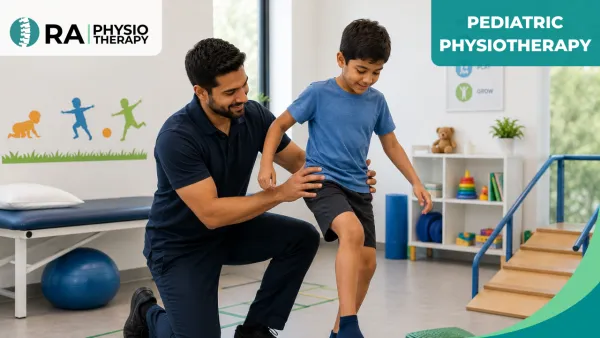
Pediatric Physiotherapy
Specialized Physiotherapy Care for Babies, Children & AdolescentsPediatric Physiotherapy is a specialized branch of physiotherapy focused on improving movement, strength, balance, coordination, posture, and physical development in infants, children, and teenagers. It helps children achieve developmental milestones, improve mobility, enhance independence, and participate confidently in daily activities such as playing, learning, and sports. Pediatric Physiotherapy is highly effective for neurological, developmental, orthopedic, genetic, and respiratory conditions affecting children from infancy to adolescence.
Pediatric Physiotherapy focuses on assessing, diagnosing, and treating movement disorders and developmental challenges in children aged 0-18 years.
Children are not small adults, which is why pediatric physiotherapy uses age-appropriate treatment methods involving play, movement activities, exercises, and interactive rehabilitation techniques.
The treatment helps:
- Improve muscle strength and coordination
- Enhance balance and posture
- Improve mobility and flexibility
- Support physical development
- Improve walking and movement patterns
- Increase independence in daily activities
- Improve endurance and physical fitness
- Enhance participation in school and sports
- Support neurological and developmental growth
Treatment programs are customized according to the child's age, condition, physical abilities, and developmental goals.
- Improves gross motor skills
- Enhances muscle strength and flexibility
- Improves posture and balance
- Encourages healthy movement patterns
- Supports developmental milestones
- Improves walking and coordination
- Increases physical independence
- Enhances participation in sports and activities
- Helps prevent movement complications
- Improves confidence and quality of life
Pediatric Physiotherapy combines specialized treatment techniques with fun and engaging activities to encourage movement and physical development.
Treatment may include:
- Therapeutic Exercises
- Stretching Programs
- Strength Training
- Balance & Coordination Training
- Posture Correction
- Gait Training
- Functional Movement Training
- Neurological Rehabilitation
- Soft Tissue Mobilization
- Play-Based Therapy
- Gross Motor Skill Training
- Developmental Activities
Pediatric physiotherapists work closely with parents, caregivers, teachers, and healthcare professionals to create an effective treatment plan for the child.
Pediatric Physiotherapy is effective for treating:
- Developmental Delay
- Gross Motor Delay
- Cerebral Palsy
- Autism Spectrum Disorder (ASD)
- Down Syndrome
- Developmental Coordination Disorder
- Hypotonia
- Muscular Dystrophy
- Neuromuscular Disorders
- Spina Bifida
- Torticollis
- Plagiocephaly
- Balance & Coordination Problems
- Walking Difficulties
- Toe Walking
- Sports Injuries in Children
- Postural Problems
- Pediatric Orthopedic Conditions
- Pediatric Neurological Conditions
- Injury Rehabilitation
- Genetic Disorders Affecting Movement
Pediatric Physiotherapy helps children achieve important developmental milestones such as:
- Head Control
- Rolling
- Sitting
- Crawling
- Standing
- Walking
- Running
- Jumping
- Balance & Coordination Skills
Early physiotherapy intervention can significantly improve physical development and long-term functional outcomes.
Pediatric Physiotherapy is beneficial for:
- Babies delayed in sitting, crawling, or walking
- Children with balance or coordination difficulties
- Children with muscle weakness or poor posture
- Children recovering from injuries or surgery
- Children with neurological conditions
- Children with developmental disorders
- Children with walking or movement difficulties
- Children struggling with sports activities or physical fitness
Developmental Assessment: A detailed evaluation of movement, posture, balance, strength, flexibility, and developmental milestones.
Movement & Mobility Training: Exercises designed to improve movement quality, walking, and coordination.
Strength & Balance Training: Activities focused on improving muscle strength, stability, and body control.
Play-Based Rehabilitation: Fun and engaging activities to encourage active participation and learning.
Parent & Caregiver Education: Guidance and home exercise programs to support the child's progress outside therapy sessions.
Assessment: The physiotherapist evaluates the child's physical development, movement patterns, strength, posture, and functional abilities.
Treatment Planning: A personalized therapy program is created according to the child's condition and developmental goals.
Therapy Sessions: Treatment sessions include exercises, movement training, balance activities, stretching, strengthening, and play-based therapy.
Progress Monitoring: Regular assessments are performed to monitor improvement and update the treatment plan as the child progresses.
Session Duration: Typically 30-60 minutes
Frequency: Usually 1-3 sessions per week depending on the child's condition and therapy goals.
Treatment Duration: Varies according to the child's developmental needs and rehabilitation progress.
- Experienced Pediatric Physiotherapists
- Child-Friendly Treatment Environment
- Personalized Therapy Programs
- Evidence-Based Physiotherapy Care
- Play-Based Rehabilitation Approach
- One-on-One Attention
- Parent Involvement & Guidance
- Focus on Long-Term Physical Development
Help your child move better, grow stronger, and achieve developmental milestones with expert Pediatric Physiotherapy care.
Book your Pediatric Physiotherapy session today for specialized assessment, rehabilitation, and personalized child-focused treatment.
 Emergency No. : +91 93104 16308