


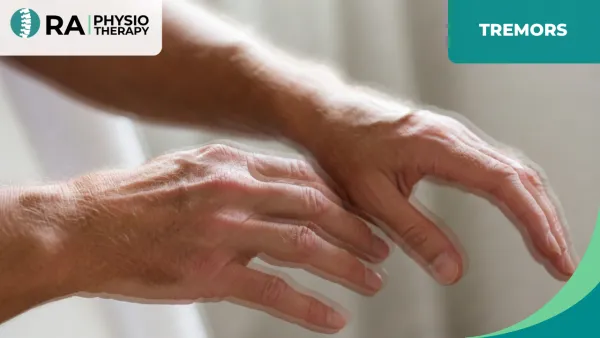
Tremors
Neurological Physiotherapy for Balance, Muscle Control, and Tremor ManagementTremors are involuntary, rhythmic shaking movements that commonly affect the hands, arms, head, legs, or other parts of the body.
Tremors are involuntary, rhythmic shaking movements that commonly affect the hands, arms, head, legs, or other parts of the body. These shaking movements may occur occasionally or continuously and can vary from mild to severe depending on the underlying cause.
Tremors often become noticeable during activities such as holding objects, writing, eating, walking, or maintaining posture. In some individuals, tremors may worsen with stress, fatigue, anxiety, or movement. While mild tremors can occur temporarily due to stress or exhaustion, persistent tremors may be associated with neurological conditions, nerve disorders, or movement-related problems. Tremors can affect coordination, balance, daily activities, and overall quality of life if not managed properly.
Tremors can occur due to several neurological, muscular, and medical conditions. Common causes include:
- Neurological disorders
- Parkinson’s disease
- Essential tremor
- Stroke-related neurological changes
- Nerve disorders
- Muscle weakness
- Stress and anxiety
- Fatigue or exhaustion
- Side effects of certain medications
- Excessive caffeine intake
- Alcohol withdrawal
- Head injury
- Multiple sclerosis
- Metabolic or thyroid disorders
- Poor coordination and balance control
In some cases, tremors may worsen during movement or emotional stress.
Risk Factors
- Aging
- Family history of tremors
- Neurological disorders
- Chronic stress and anxiety
- Excessive caffeine consumption
- Alcohol abuse
- Poor sleep quality
- Head injuries
- Certain medications
- Weak muscle control and coordination
Prevention Tips
- Manage Stress Effectively: Stress and anxiety may increase tremor intensity in some individuals.
- Get Adequate Rest: Proper sleep and recovery help support nervous system function.
- Limit Excessive Caffeine & Alcohol: Reducing stimulants may help minimize shaking episodes.
- Stay Physically Active: Regular exercise helps improve balance, coordination, and muscle control.
- Maintain Good Posture: Proper posture and body mechanics improve movement stability.
- Follow Medical Advice: Early management of neurological conditions may help reduce progression of symptoms.
Physiotherapy plays an important role in improving coordination, balance, muscle control, posture, and functional independence in individuals experiencing tremors. A physiotherapist assesses movement patterns, muscle strength, posture, gait, balance, and coordination before creating a personalized rehabilitation plan.
Physiotherapy treatments may include:
- Balance & Coordination Training: Helps improve stability and reduce movement difficulties.
- Strengthening Exercises: Improves muscle control and functional movement.
- Gait Training: Helps improve walking pattern and mobility.
- Postural Training: Improves body alignment and movement efficiency.
- Functional Rehabilitation: Focuses on improving daily activities such as writing, eating, and reaching.
- Mobility Exercises: Helps maintain flexibility and reduce movement restriction.
- Relaxation Techniques: May help reduce stress-related tremor intensity.
- Neurological Physiotherapy: Specialized rehabilitation programs help improve motor control and movement coordination.
The goal of physiotherapy is to improve movement control, increase independence, enhance balance, and improve overall quality of life.
Consult a healthcare professional or physiotherapist if:
- Tremors become frequent or worsening
- Shaking interferes with daily activities
- Balance or walking difficulties develop
- Muscle weakness occurs
- Tremors affect handwriting or coordination
- Symptoms occur suddenly
- Tremors are associated with neurological symptoms
- Difficulty performing routine tasks develops
Early diagnosis and rehabilitation can help improve symptom management and functional recovery.
 Emergency No. : +91 93104 16308